
The Final Birthday Catastrophe
Felix AustriaThis flow traces the birthday celebration from an attempted reinvention of domestic life to accusation, mistaken guilt, and fire.
increasing Bearing strength in each event
 decreasing
Bearing strength in each eventdecreasingA Different Venue
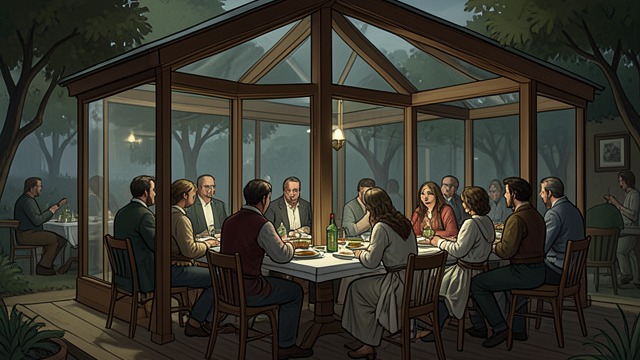
Leaving the Villa for a Night
Adèle chooses change
Adèle insists that her birthday be held in a new pavilion rather than at home. Stefania expects the change to ease the burden of preparing a feast, though Adèle still wants her cooking.
The celebration is prepared
The venue’s glass and wood make it feel exposed and fragile. The gathering promises a break from the household’s routines, but its guests will bring the same social pressures into public view.
Guests Assemble
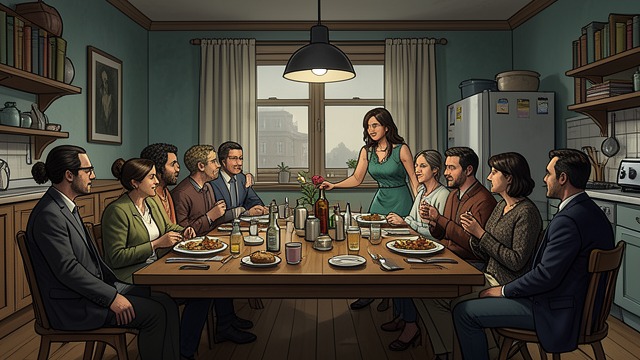
A Table of Relationships
Family and acquaintances arrive
The guests include Petro, Felix, Father Josef, Ivanka, artists, local notables, and friends. They praise the food and discuss politics, hygiene, and city affairs.
Stefania serves unseen
Stefania moves between tables and the kitchen while the guests sit and celebrate. The party briefly recognizes her cooking, but keeps her in the servant’s role.
The Public Accusation
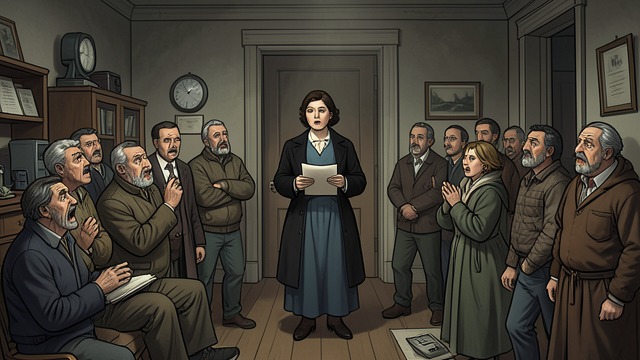
A Secret Announced
Stefania speaks
As the music ends, Stefania publicly accuses Adèle and Father Josef of an affair. She claims to have seen them together and says she can produce evidence.
The room erupts
Adèle calls her a liar, Petro cries out, and guests recoil. Stefania’s private interpretation becomes an irreversible public crisis.
Ivanka Collapses
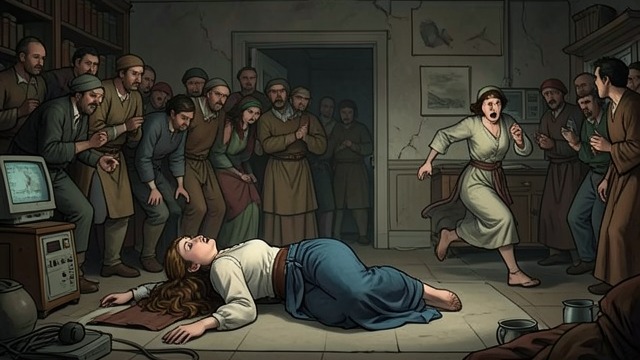
A False Death
Panic in the pavilion
Ivanka groans, turns gray, and falls to the floor. Stefania believes the shock has killed her and flees in terror.
The truth is delayed
Adèle later reveals that Ivanka survived and that she herself knew how to respond. Stefania’s guilt is therefore based on a mistaken perception, echoing the story’s larger concern with misreading.
Fire in the Villa
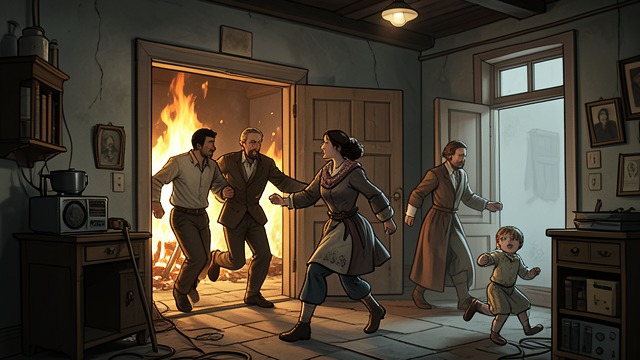
Another Crisis Begins
Adèle confronts Stefania
Adèle explains that the embrace was prayer and that the stockings were intended for Ivanka. During their argument, Stefania breaks a lamp and the fire spreads through the house.
The ending opens outward
Stefania tries to protect Adèle and imagines rescue, travel, and a future for the unborn child. The house burns, but the novel leaves what happens next uncertain.
November 1900, before Adèle’s birthday
The evening of the birthday
Before dessert at the birthday gathering
Immediately after the accusation
Later that night
